What is Feng Shui? Unveiling the Ancient Chinese Art to Balance Environments and Finances
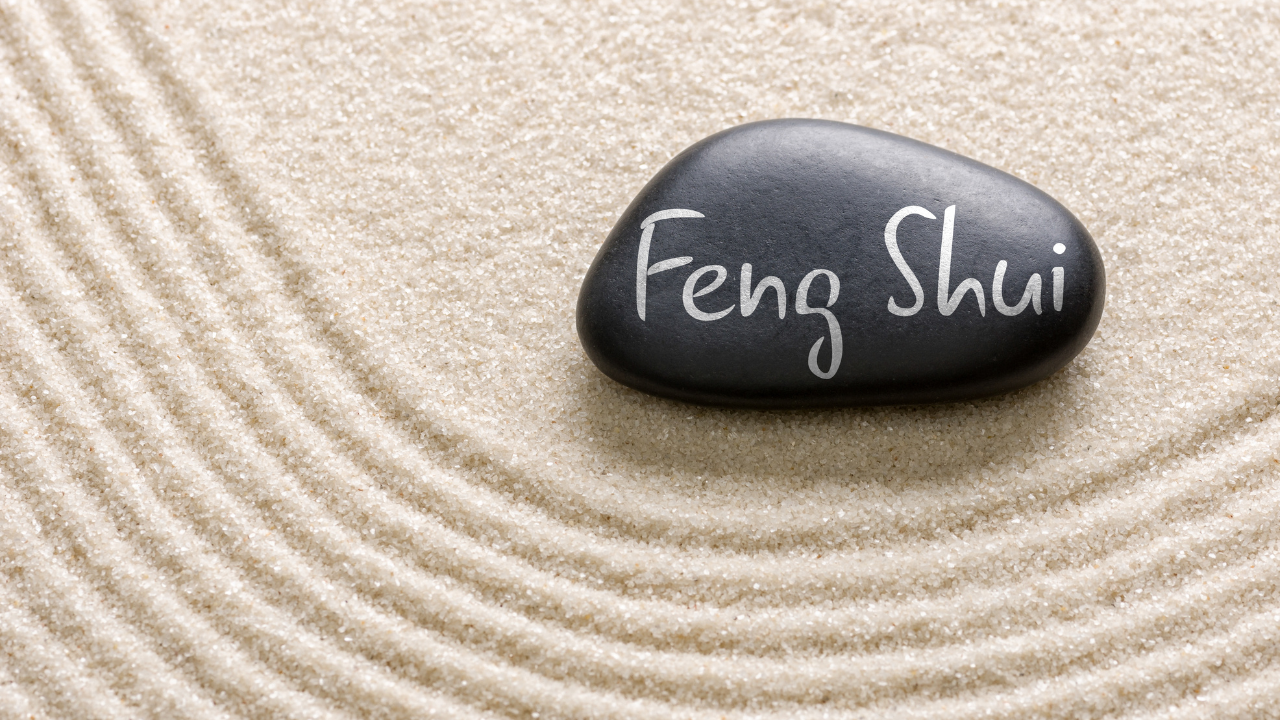
The term Feng Shui is composed of “wind” (feng), symbolizing active energy (yang), and “water” (shui), representing passive energy (yin). Together, these ideograms encapsulate the essence of a philosophy that seeks harmony between human beings and the environment in which they live. It is believed that by modifying and organizing spaces, we can positively influence our feelings, thoughts, and consequently, our lives – including how we handle our money and attract prosperity.
At the heart of Feng Shui is Chi, the vital energy that flows through everything in the universe. The main purpose is to ensure that this energy circulates freely and in a balanced way in your home, providing feelings of comfort, strength, tranquility, and well-being. For those seeking a healthy financial life, this fluidity of energy is crucial, as a disorganized or “stuck” environment can reflect a stagnant financial flow. It is a constant search for balance between the two poles, yin and yang, to create environments that truly nurture those who inhabit them and support financial growth.
Origin of Feng Shui: How It All Began in Ancient China
With over 4,000 years of history, Feng Shui was born in Ancient China from the observation of masters who perceived the influence of the environment on vital energetic force, the Chi. Each space, be it a house, a plot of land, or a natural area, has its own vibrations and energies. Based on Taoist philosophy and the knowledge of the Compass School, Chinese scholars developed a system to map and interpret the energetic and magnetic characteristics of environments.
This ancient wisdom led to the creation of techniques to determine the best arrangements of furniture, objects, colors, and materials, seeking the perfect balance between yin and yang and the optimization of Chi flow. Thus, Feng Shui evolved as a powerful tool to create homes and workspaces that truly support well-being and prosperity, including the materialization of financial goals.
The Fundamental Principles of Feng Shui: Balancing Yin and Yang for Prosperity
To minimize negative energies and enhance positive ones, Feng Shui relies on basic principles that, when applied, can transform the atmosphere of an environment and, by extension, your relationship with abundance. The philosophy is not a rigid set of rules, but rather a guide to improve energy flow and attract more prosperity. Some of the most well-known and impactful principles include:
- Avoid mirrors facing the door: It is believed that energy entering the environment can be repelled back if there is a mirror directly opposite the door, symbolizing the “escape” of prosperity.
- Attention to the stove: Symbolizing abundance and the ability to nurture, the stove should always be kept clean and in perfect condition to attract prosperity and ensure that resources are not lacking.
- Remove electronics from the bedroom: The presence of electronics can generate agitation and mental confusion, hindering healthy rest and clarity for making financial decisions.
- Keep the house organized: Clutter, especially at the entrance, accumulates stagnant and negative energy. For more tips on how organization impacts your life and finances, check out how to clean your name and recover credit. An organized home reflects an organized mind, essential for financial control.
- Fix broken items: Damaged objects symbolize loss and imbalance in life. In Feng Shui, this can be reflected in financial “losses” or disorder in your investments, and should be repaired or discarded.
- Close the bathroom door: The bathroom is considered an energy drainage environment, and keeping its door closed helps contain this dispersion, preventing prosperity from “flowing out” of your home.
- Take care of dripping faucets: In Feng Shui, dripping faucets can symbolize the loss of resources and happiness, a clear analogy for money “slipping” through your fingers.
- Use plants to fill empty spaces: Plants bring life and renew energy, being ideal for dark or unused corners, helping to “activate” areas of your home that may be dormant, including those linked to prosperity.
In addition to these practical points, Feng Shui aims to preserve good influences, reduce negative effects of interferences, and achieve full well-being, bringing balance to environments and to the people who circulate in them, a pillar for building a solid financial life.
Bagua Feng Shui and the Five Elements: Essential Tools for Harmonizing Environments and Attracting Abundance
For those who wish to delve deeper into Feng Shui and use it as a map for prosperity, two tools are crucial: the Bagua and the understanding of the Five Elements. They offer a roadmap and a language for interpreting and intervening in the energies of spaces, directing them towards your financial goals.
Understanding the Bagua: The Energetic Map of Your Financial Life
The Bagua is one of the most popular objects and an indispensable tool in Feng Shui. With its octagonal shape (ba = eight and gua = sides), it functions as an energetic map that divides space into eight main areas, each representing an aspect of life: career, spirituality, family, prosperity, fame/reputation, relationships, creativity/children, and helpful people/travel. The center of the Bagua represents health and overall balance.
Traditionally, the Bagua is hung at the front door to protect the home and serves as a guide to identify and activate energies in each corner of the house. Each of its eight parts relates to a specific color, element, shape, plant, and stone. By using the Bagua, you can diagnose where energies are unbalanced – including those affecting your ability to save, invest, or generate income – and plan interventions to enhance each sector of your life, especially the wealth sector.
The Five Elements of Feng Shui: Fire, Earth, Metal, Water, and Wood in Harmony for Financial Flow
The philosophy of Feng Shui is based on the interaction and balance of the Five Elements of traditional Chinese culture: Fire, Earth, Metal, Water, and Wood. Each element has associated characteristics, colors, shapes, and materials, and their harmonious presence in the environment is fundamental for the flow of Chi and, consequently, for the flow of abundance in your life.
- Fire: Represents passion, energy, and transformation. In your finances, it symbolizes the energy to start new projects and the passion to achieve your goals. Colors: red, orange. Shapes: triangular. Materials: candles, intense lighting.
- Earth: Symbolizes stability, security, and nourishment. In financial life, it is the solid foundation, the ability to save and build wealth. Colors: yellow, brown. Shapes: square. Materials: ceramics, crystals, stones.
- Metal: Brings clarity, organization, and precision. For money, it represents the discipline to manage, plan, and make sound decisions. Colors: white, gray. Shapes: round, oval. Materials: metallic objects.
- Water: Represents fluidity, intuition, and connection. In finances, it symbolizes the flow of money, adaptability, and intuition to identify good opportunities. Colors: blue, black. Shapes: irregular, wavy. Materials: fountains, mirrors.
- Wood: Symbolizes growth, vitality, and flexibility. It is the element of financial expansion, learning, and developing new income sources. Colors: green, light blue. Shapes: rectangular, vertical. Materials: plants, wooden furniture.
The correct application and balance of these elements in Feng Shui decor are essential to create an environment that is not only aesthetically pleasing but also nurtures the soul and, most importantly, attracts and maintains a continuous flow of good energies and financial prosperity.
Benefits of Feng Shui: More Than Decor, a Life of Well-being and Financial Prosperity
The application of Feng Shui techniques goes far beyond a simple rearrangement of furniture or color choices. It is a holistic approach that seeks well-being and prosperity in various aspects of life, with a direct impact on your financial potential. A Feng Shui-harmonized environment stimulates the positive side, enhancing a differentiated state of mind and attracting a series of tangible benefits for your wallet and your quality of life.
Feng Shui and Mental Health: Clarity and Focus for Your Financial Decisions
The tension and stress of everyday life can compromise our mental health and our ability to make sound financial decisions. Feng Shui acts as a powerful tool to transform the home into a refuge, channeling negative energies and protecting its inhabitants. By organizing environments, you open space for creative insights and innovative ideas, essential for finding new income sources or optimizing your investments. This philosophy improves focus and develops healthier habits and thoughts, fundamental for financial discipline. For more tips on how to organize your financial and mental life, understand the importance of an emergency fund.
The renewal of an environment or the elimination of broken objects, for example, generates a pleasant sense of well-being. It’s like a process of cleaning and purification that takes away negative energies, leaving space for optimistic thoughts and a clearer mind to manage your finances. Inner peace is one of the greatest gifts of Feng Shui, especially in environments like bedrooms and living rooms, which should be channels of tranquility. Those who sleep well wake up in peace, with a rested spirit and ready for challenges, even the most difficult ones in the financial universe.
How Feng Shui Boosts Your Positive Energies and Attracts More Financial Opportunities
In practice, when Feng Shui is applied in a residence, the purification of harmful energies is quickly noticeable. This transformation into positive energies improves the circulation of good feelings, warding off discomfort, tiredness, and stress that can sabotage your productivity. As a result, family and professional relationships become healthier and more harmonious. In the professional field, positive changes in personal profile can boost productivity, creativity, and financial achievements. For those seeking an optimized work environment, Feng Shui can be a strategic differentiator, as organization, energetic flow, and a sense of well-being directly contribute to greater focus, a clearer mind, and the attraction of new business and investment opportunities.
In addition to mental health, Feng Shui helps balance the body, strengthening the immune system and combating problems like stress, anxiety, and other physical and emotional imbalances, by warding off thoughts and feelings that drain positive energies that could be directed towards your prosperity goals.
Feng Shui for the Bedroom: Transforming Your Sanctuary of Rest and Energy Recovery
The bedroom is, without a doubt, one of the most important environments in the house for the application of Feng Shui, as it is your sanctuary of rest and energy recovery. Ensuring this space is an oasis of comfort and well-being is fundamental for your health and vitality, directly impacting your disposition to face daily challenges and your financial goals.
Bed Position in the Bedroom: Essential Tips for Restful Sleep and a Clear Mind
The position of the bed is one of the most crucial points in Feng Shui for the bedroom. For restful sleep and a sense of security – and a clear mind for important decisions, including financial ones – the bed should be against a solid wall, with no windows behind it or directly opposite the bedroom door, bathroom door, or a mirror. Avoid positioning the bed under exposed ceiling beams, which can generate a feeling of pressure or overload. The ideal is to have a clear view of the door without being directly aligned with it. If the bed cannot be against the wall, use a sturdy headboard to create a sense of support and security, symbolizing stability in life.
Colors and Decor in the Bedroom: Attracting Calm, Serenity, and Prosperity with Feng Shui
The colors and Feng Shui decor in the bedroom should promote calm, serenity, and coziness. Prefer neutral and soft tones, such as light blues, light greens, earthy tones, and pastels, which invite relaxation and reflection. Avoid overly vibrant and stimulating colors, as they can disturb sleep and the mental tranquility needed to manage your finances.
Regarding decor, opt for items that convey tranquility and well-being. Soft pillows, curtains that block external light, and indirect, cozy lighting are excellent. Avoid excessive objects, especially under the bed, and minimize the presence of electronics, which can generate mental agitation and distractions. Photographs should be of themes that convey peace, joy, and abundance. Plants are welcome, as long as they are not too large or with pointed leaves, and that the species is suitable for indoor environments and is properly cared for, symbolizing continuous growth.
Applying Feng Shui in Other Home Environments for a Financially Conscious Home
In addition to the bedroom, Feng Shui can be applied in various other rooms of the house, each with its peculiarities and importance for the energetic flow that can, indirectly, influence your relationship with money.
Feng Shui in the Bathroom: Purifying Energies and Preventing Resource Dispersion
The bathroom is, by its nature, a place of purification and, consequently, of energy drainage. To prevent the good energies of the house, including prosperity, from dispersing, it is essential to apply Feng Shui in this environment. Keep the toilet lid always down and drains closed when not in use. The bathroom door should also remain closed so that this energy does not “escape” freely through other environments, symbolizing the containment of financial losses.
Cleanliness and maintenance are crucial; avoid leaks and ensure everything is always impeccable. Easy-to-clean ceramic tiles are ideal. The inclusion of plants, especially those that adapt well to humid environments, can help balance energy and “hold” resources.
Feng Shui in the Living Room: Comfort, Good Connections, and Attracting New Opportunities
The living room is a space for gathering and social interaction, ideal for receiving both people and new ideas and opportunities. The goal of Feng Shui here is to create a pleasant, cozy, and comfortable environment where residents and visitors feel welcome and the energy for new businesses or collaborations can flow. Furniture should be arranged to facilitate conversation and Chi circulation, paving the way for dialogue and information exchange. Sofas against solid walls convey security and stability.
Lightness should prevail, mixing colors, textures, and tones harmoniously. The presence of plants helps connect the environment with nature, bringing more freshness and vitality, essential for innovative thinking. The more airy and naturally lit, the more freely energy will circulate in the living room, inviting prosperity.
Feng Shui in the Kitchen: Abundance, Nourishment, and Financial Growth in Harmony
The kitchen is the heart of the home, symbolizing abundance and nourishment, and in a financial context, it represents the ability to generate and sustain resources. The stove, in particular, should be the center of attention, always kept clean and in perfect working order, as it represents prosperity and the ability to “cook” new wealth. The arrangement of furniture should be practical and functional, allowing for easy flow during meal preparation, symbolizing fluidity in managing your assets.
As in the bathroom, the choice of washable coatings is fundamental for hygiene and energetic purity. Plants are also welcome, as long as they are heat-resistant. Keeping countertops and surfaces clean and organized attracts good vibrations to the place where food is prepared and meals are shared, translating into clearer and more efficient financial management.
Feng Shui on the Balcony: Connecting with Nature and Active Prosperity
The balcony is a transition space between indoors and outdoors, ideal for rest, reflection, and contact with nature. Feng Shui can transform it into an oasis of positive energy that invites expansion and the entry of new opportunities. The inclusion of plants is highly recommended, as in all other rooms of the house, as they represent life and renew Chi, strengthening the energy of growth and renewal, fundamental for financial life.
Mixing strong and soft colors can create a vibrant and inviting environment, depending on the purpose of the space. If the balcony is intended for moments of relaxation, shades of green, lilac, and blue can stimulate tranquility and mental clarity for planning. For more festive environments, the combination of elements and items that promote joy and connection will be ideal for eliminating negative energies and enjoying what is positive, attracting partnerships and celebrations of financial achievements.
Feng Shui Objects and Materials to Attract Good Energies and Multiply Money in Decor
In addition to the arrangement of environments, some specific objects and materials are powerful tools in Feng Shui to absorb negative energies and transform them into positive ones, acting as symbols of luck, protection, and, especially, attraction of financial resources.
Symbols of Luck: Bagua, Bamboo, Laughing Buddha, and Evil Eye for Abundance
- Bagua: Already mentioned as an energetic map, the Bagua is also an object of protection when hung at the front door, symbolizing defense against unfavorable energies that could impact your prosperity.
- Bamboo: Representing strength, resistance, and longevity, bamboo is associated with long life, health, and prosperity. Decorating with bamboo energizes the place and attracts good luck, especially in areas linked to prosperity in the Bagua, indicating constant growth of your resources.
- Laughing Buddha: The smiling Buddha figure symbolizes luck and prosperity. Positioned in strategic environments such as the living room or near the main door, he is often accompanied by coins or rice grains to ward off debts and protect finances, acting as a guardian of your wealth.
- Evil Eye: Used for protection against negative energies, envy, and evil eye, the evil eye can be hung on doors, walls, or worn as a personal amulet, protecting your investments and financial stability.
Crystals, Fountains, and Wind Chimes: Positive Chi Activators for Financial Flow
- Multifaceted Crystal: Considered a healing object, the multifaceted crystal activates, corrects, and conducts the vital energy of the house. Hung from the ceiling, in the center of the house, or near windows, it disperses light and stagnant energies, promoting clarity, harmony, and an unobstructed flow for financial opportunities. To be effective, a crystal must be at least 40mm in circumference.
- Water Fountain: The sound of moving water from a fountain is relaxing and reminiscent of nature. Moving water symbolizes the flow of life and the circulation of vital energy, purifying the environment and, more importantly for your finances, attracting prosperity and abundance. There are compact versions ideal for any environment.
- Wind Chime: Also known as a wind messenger, it emits pleasant sounds that activate Chi and ward off negative energies, attracting good luck to the house and its inhabitants, opening paths for new income sources and financial success. It can be used both indoors and outdoors.
Natural Materials and Their Energies: Earth, Water, Fire, Wood, and Metal for Financial Management
In addition to objects, the use of materials representing the Five Elements strengthens Feng Shui practices and improves the vital energy of the home, creating an environment that supports financial discipline and growth:
- Earth: Clay pots, heavy sculptures, quartz crystals, Zen gardens, yellow-toned items, and ceramic elephant ornaments. Represents the solidity and foundation of your financial planning.
- Water: Mirrors, glass vases, fish in aquariums, and fresh flowers in vases with water (without thorns). Symbolizes the constant flow and adaptability of your resources, like money in circulation.
- Fire: Candles, luminaires, lamps with warm colors (yellow), and triangular lampshades. Activates the passion and energy to pursue your financial goals.
- Wood: Natural plants, trees, green foliage arrangements, wooden decks, natural fibers, and wooden mandalas. Encourages the continuous growth of your investments and the expansion of your financial horizons.
- Metal: Candlesticks, round and oval objects, circular mirrors, and crystal spheres. Brings the clarity and precision needed for the organization and management of your finances.
The integration of these materials into Feng Shui decor allows for the creation of an environment that is not only aesthetically pleasing but also energetically balanced, inviting synesthesia to activate the five senses and attract good vibes and a prosperous financial life.
Frequently Asked Questions about Feng Shui (FAQ)
Is Feng Shui a religion? No, Feng Shui is not a religion. It is an ancient Chinese philosophy and art that studies the influence of the environment on people’s lives, seeking balance and harmony through the organization of spaces. Although it has roots in Eastern traditions, such as Taoism, it does not require specific religious beliefs and can be applied by anyone, regardless of their faith.
Can I apply Feng Shui in small environments? Yes, Feng Shui can be successfully applied in environments of any size, including small ones. The techniques are adaptable, and in limited spaces, organization, energy circulation, and the intelligent choice of colors and objects become even more crucial to maximize the well-being and functionality of the environment. The focus is on optimizing Chi flow, not on the size of the space. To understand how your credit score can also be influenced by various factors, see our article about low score and how to increase your score.
Is it possible to learn Feng Shui by myself? Yes, it is possible to learn and apply the basic principles of Feng Shui by yourself, especially with the vast amount of information available in books and online articles like this one. Many of the principles are intuitive and focus on organization, cleanliness, and balance. However, for more complex applications or to resolve specific energetic problems, consulting an experienced Feng Shui professional can be very beneficial for an in-depth and personalized analysis.